01What Is Teeth Whitening?
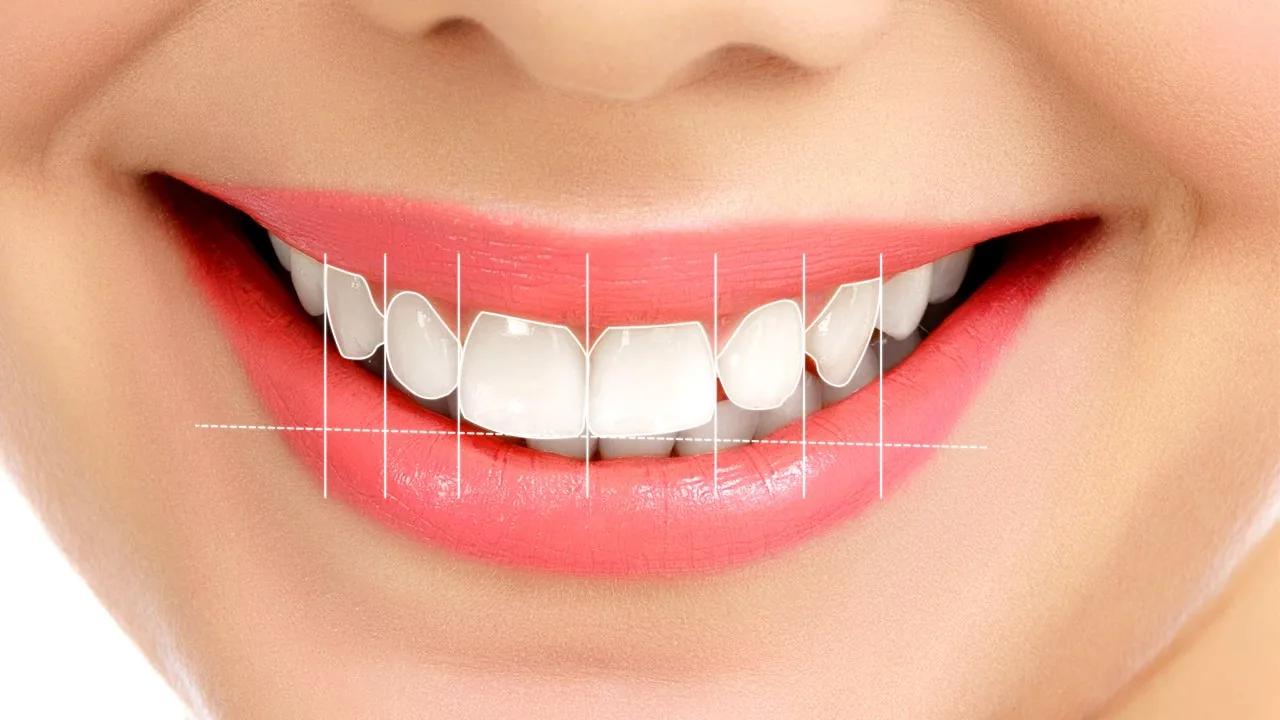
When teeth take on an unwanted appearance after yellowing or darkening for various reasons in daily life, teeth whitening comes to mind. All applications that aim to give teeth an aesthetically pleasing, healthy appearance and bring the tooth color closer to white are considered part of teeth whitening.
For this purpose there are techniques applied professionally in dental clinics, as well as at-home methods such as whitening toothpastes and various chemical products available in stores. Because each method differs in how it is applied, how effective it is and how it affects dental health, the recommended method may vary from patient to patient.
02Professional Teeth Whitening Techniques
Bleaching
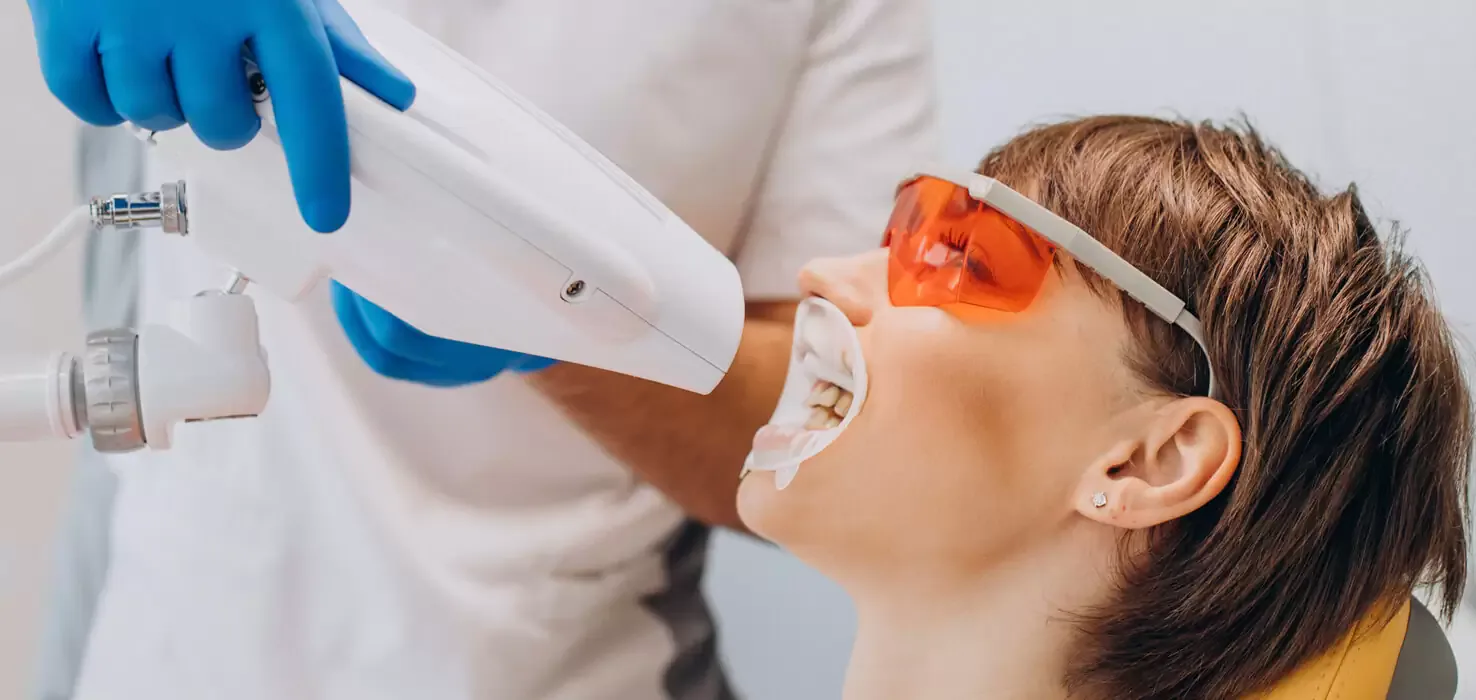
In this procedure, performed by the dentist, carbamide peroxide or hydrogen peroxide is used. It whitens teeth that have become discolored due to intrinsic causes. Fast and effective results can be achieved in clinical conditions.
Tray Application
Teeth can be whitened by wearing custom-made trays coated with a gel containing whitening agents at home for 30 minutes to 1 hour.
03Why Do Teeth Turn Yellow?
Teeth tend to lose their natural color in two ways. These processes can be summarized as follows:
Extrinsic Discoloration
Over time, teeth may yellow or darken due to substances that act on the tooth surface from the outside, such as coffee, tea, food coloring and smoking. For this reason, techniques targeting the tooth surface are more effective on teeth with extrinsic discoloration.
Intrinsic Discoloration
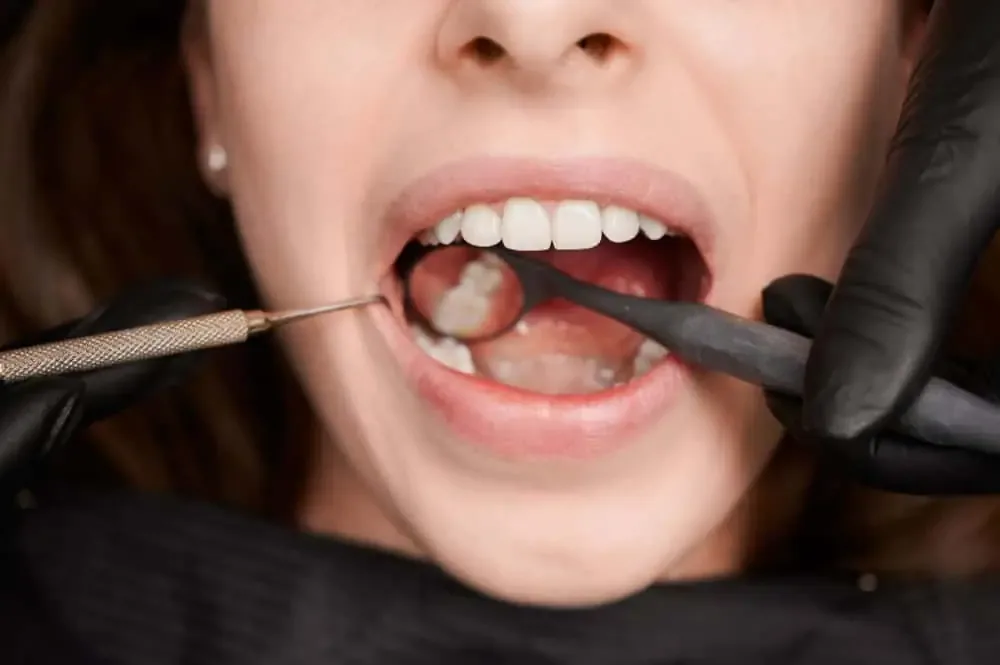
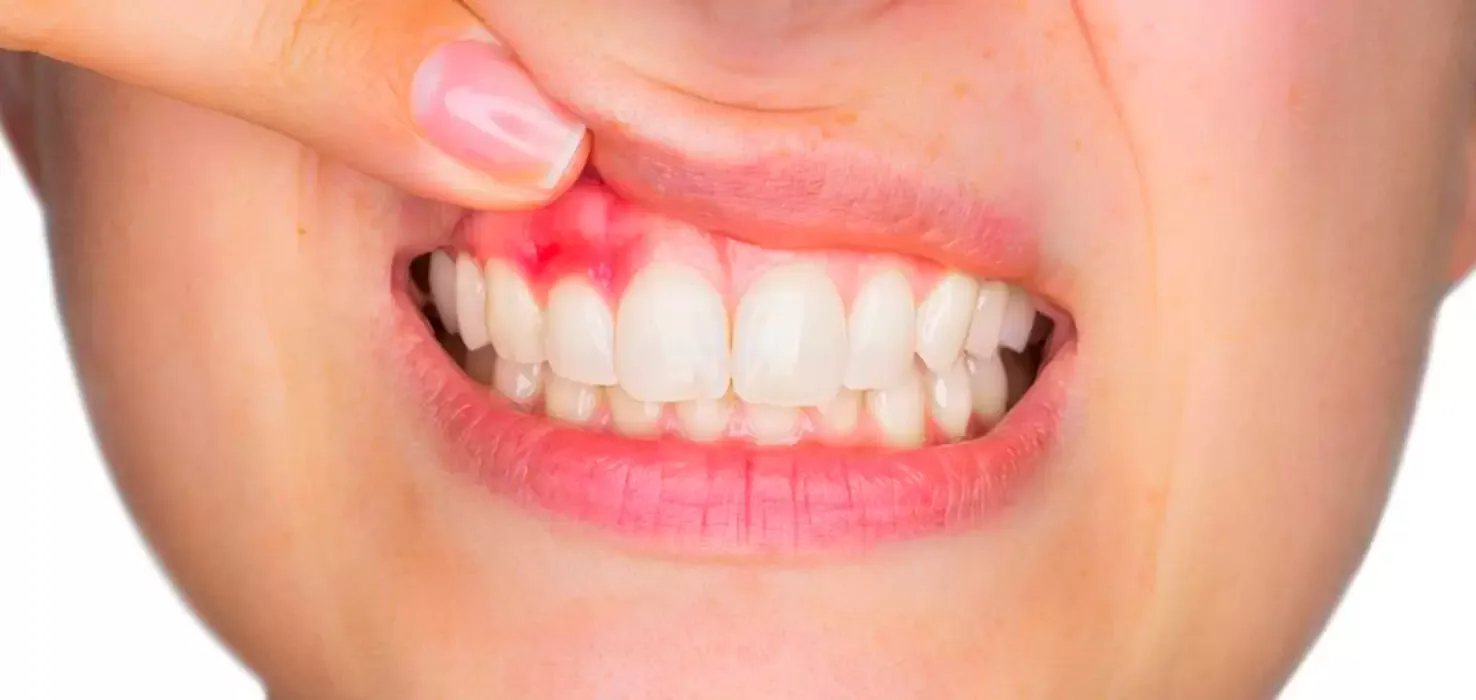
These are color changes caused by health problems that damage or impair the tissues inside the tooth. They are usually linked to febrile illness, medication use, dental trauma, infections or decay during childhood—when teeth are still growing—or to aging. Such discoloration requires professionally applied techniques.