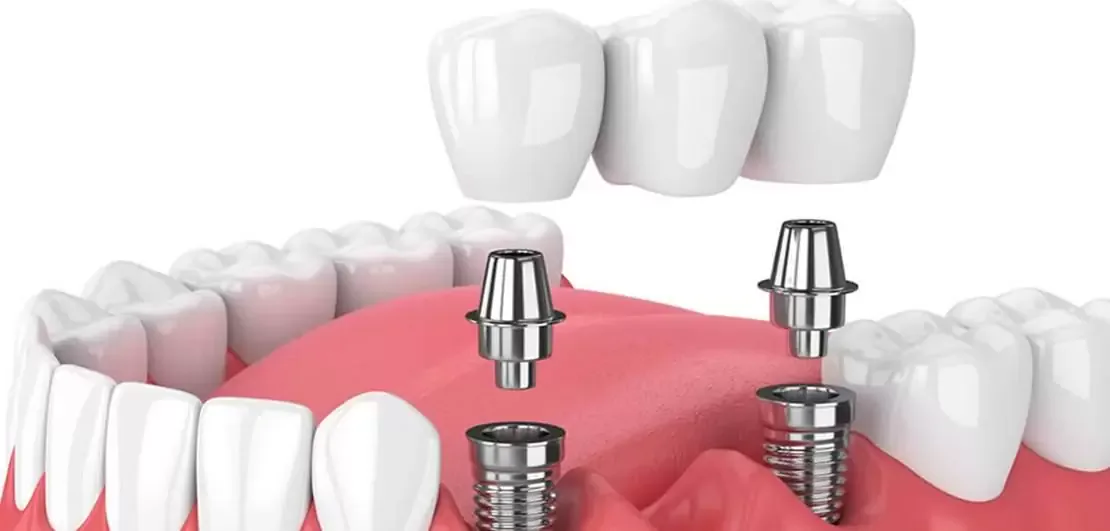
01What Is Periodontology?
Periodontology is the branch of dentistry that aims to protect the health of the tissues surrounding the teeth—especially the gums, jawbone and connective tissue—and to diagnose and treat diseases in these areas. Gum diseases usually progress silently and, if not noticed early, can lead to serious problems including tooth loss.
02The Most Common Gum Diseases
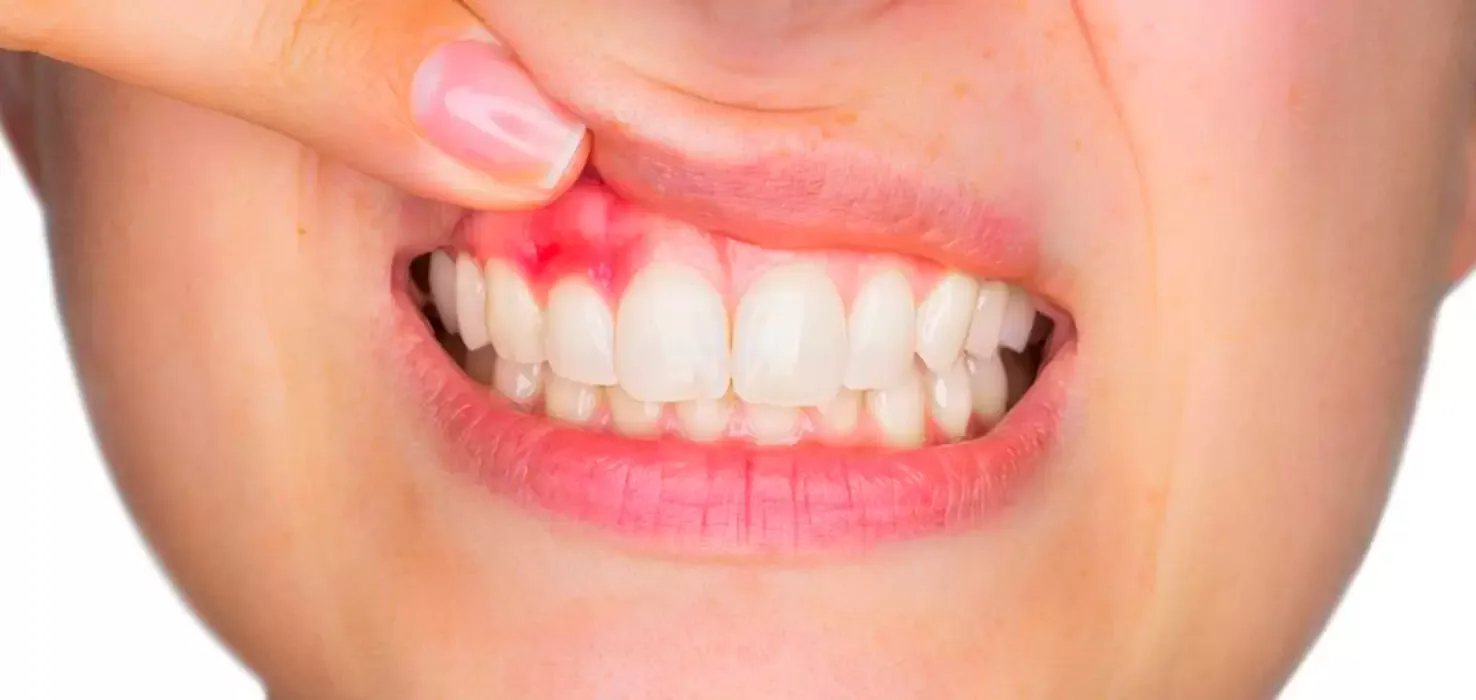
Gingivitis (Gum Inflammation)
The first stage, marked by redness, swelling and bleeding of the gums.
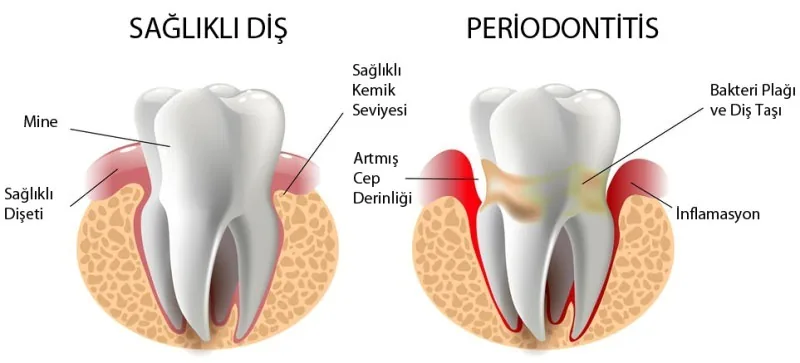
Periodontitis
The advanced form of gingivitis; it can destroy jawbone and cause tooth loss.
Gum Recession
Exposed tooth roots cause sensitivity and aesthetic problems.
Gum Abscesses
Pain and swelling caused by infection building up in the gum or around the root.
Bone Loss
Weakening of the bone that supports the teeth causes them to loosen.
03The Periodontal Treatment Process
- 01
Examination and Diagnosis
Pocket depth, gum bleeding and bone loss are assessed.
- 02
Scaling
Plaque and tartar build-up are removed with professional methods.
- 03
Root Planing
The surfaces of the tooth roots are smoothed.
- 04
Surgical Procedures
In advanced cases, flap surgery, bone grafting or guided tissue regeneration may be performed.
- 05
Follow-up and Maintenance
Gum health is maintained with regular check-ups after treatment.
04Advantages of Periodontal Treatment
Prevents Tooth Loss
Early diagnosis and treatment protect the supporting tissues of the teeth.
Supports General Health
Gum diseases are linked to systemic conditions such as heart disease and diabetes.
Creates an Aesthetic Smile
Gum contouring achieves a more balanced, aesthetic smile.
Ends Bad Breath and Bleeding
Oral hygiene improves after treatment; bad breath and bleeding disappear.